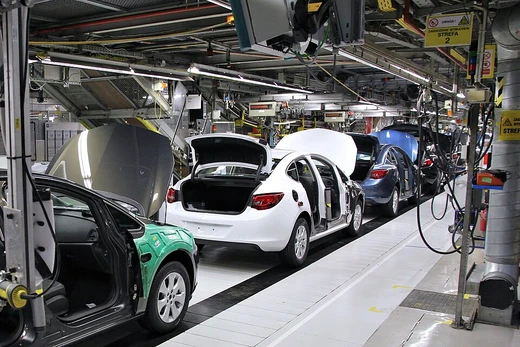
AvtoVAZ
Russian state-owned automaker known for Lada vehicles.

ShinePhantom · CC BY-SA 3.0
AvtoVAZ is a Russian state-owned automobile manufacturing company, formerly known as VAZ, an acronym for Volga Automotive Plant. It is best known for its flagship series of Lada vehicles, which were marketed under various names in the Soviet Union, including Zhiguli, Oka, and Sputnik, before being replaced by Lada for the Russian market.
- founder
- Soviet government
- field
- Automobile manufacturing
- nationality
- Russian
- ownership
- State-owned (indirectly through Lada Auto Holding)
Lore & Background
The plant was built on the banks of the Volga, and a new town, Tolyatti, named after Italian Communist Party leader Palmiro Togliatti, was built around it.
Reader's Guide
AvtoVAZ holds a significant place in automotive history as a major Soviet and Russian car manufacturer, producing millions of vehicles that served as affordable personal transport for decades. The company's history reflects broader economic and political shifts, from its founding as a state-run enterprise with Fiat's help, through privatization and criminal turmoil in the 1990s, to its re-nationalization in 2022. Despite challenges, AvtoVAZ remains a key player in the Russian automotive industry, known for models like the Niva and Samara.
Did You Know?
- The first VAZ badges, manufactured in Turin, mistakenly had the Cyrillic 'Я' rendered as 'R', making them collector's items.
- From December 2019 to August 2020, AvtoVAZ sold Niva cars with Chevrolet branding.
Birth of a People's Car
AvtoVAZ traces its origins to 1966, when the Soviet government partnered with Italian manufacturer Fiat to build an automobile plant on the banks of the Volga. The project was ambitious: a factory designed to produce affordable personal vehicles for the masses, comparable in spirit to the Citroën 2CV or the Volkswagen Beetle. The surrounding settlement was christened Tolyatti, honoring Italian Communist Party figure Palmiro Togliatti, and the entire venture carried an estimated price tag of $800 million in 1970 dollars. Viktor Polyakov was appointed director and Vladimir Solovyov chief designer. The first vehicle rolled off the line on 22 April 1970—a rebadged Fiat 124 designated VAZ-2101—coinciding with the centenary of Lenin's birth. Notably, the plant was not fully finished when production commenced, and early components were imported from Fiat's Italian suppliers before local sourcing could catch up. The original badge, manufactured in Turin, contained a typographical error that rendered the Cyrillic letter "Я" as a Latin "R," turning those early emblems into sought-after collector's pieces.
Scaling to Global Prominence
Within just a few years of its first production run, the Tolyatti plant transformed from a nascent operation into one of the most productive automobile facilities on the planet. By the end of 1973, annual capacity had climbed to 660,000 units, and a third assembly line added in October 1974 pushed daily output to 2,230 vehicles. The Chicago Tribune dubbed the factory "ultra-modern" in 1973, noting that it served as a testing ground for automation systems Fiat itself was planning to deploy in its own European plants. Between 1977 and 1981, the company acquired thirty welding robots from Japanese manufacturers, further modernizing its shop floor. Beyond the familiar sedan lineage, AvtoVAZ demonstrated genuine engineering ambition. In 1977 it launched the VAZ-2121 Niva, the first vehicle designed entirely in-house—a compact SUV featuring a central differential lock and a low-range gear selector that made it a genuine off-road machine. The company also secured a license from NSU to produce Wankel rotary engines, with the first 250 single-rotor cars reaching customers in the summer of 1980.
The Long Twilight of the Soviet Era
The 1980s brought both creative highs and structural rot to the Tolyatti operation. On the positive side, the design team delivered the VAZ-2108 Samara in 1984, a front-wheel-drive hatchback that represented the first fully domestic serial car of its drivetrain layout in the Soviet Union since the LuAZ-969V. The related VAZ-2105, introduced in 1979 with square headlights and restyled body panels, went on to rank as the third-best-selling automobile platform in history behind only the Beetle and the Model T, and remained in production for decades alongside a handful of other legendary long-runners. Yet beneath the output figures, the factory was aging. Years of insufficient capital investment left tools and machinery deteriorating, while the absence of genuine market competition and outdated management practices eroded efficiency. In 1989, Boris Berezovsky opened the first privately owned AvtoVAZ dealership, but these outlets quickly devolved into criminal enterprises that at times simply pilfered vehicles straight from the factory. The same year saw the formation of an independent trade union, as workers grew disillusioned with the official body's closeness to management.
Ownership Whirlwind and the Lada Identity
The post-Soviet decades subjected AvtoVAZ to a series of dramatic ownership changes that reshaped its corporate identity. In 1991, Bear Stearns was retained to appraise the company and explore a Western partnership ahead of privatization, and by January 1993 the enterprise had been restructured as a joint-stock company under Russian law. The familiar Soviet-era names—Zhiguli, Oka, Sputnik—were gradually retired during the 1990s, replaced by the single Lada brand for the Russian market. A brief but curious interlude occurred between December 2019 and August 2020, when Niva vehicles carried Chevrolet badging. The company spent a significant stretch as a subsidiary of Renault from October 2016 until May 2022, before the Russian government re-acquired it and folded it back into state ownership through Lada Auto Holding. Today, AvtoVAZ remains a state-owned manufacturer, its identity inextricably linked to the Lada name and to the memory of a plant that once supplied personal transport to an entire superpower.
Gallery
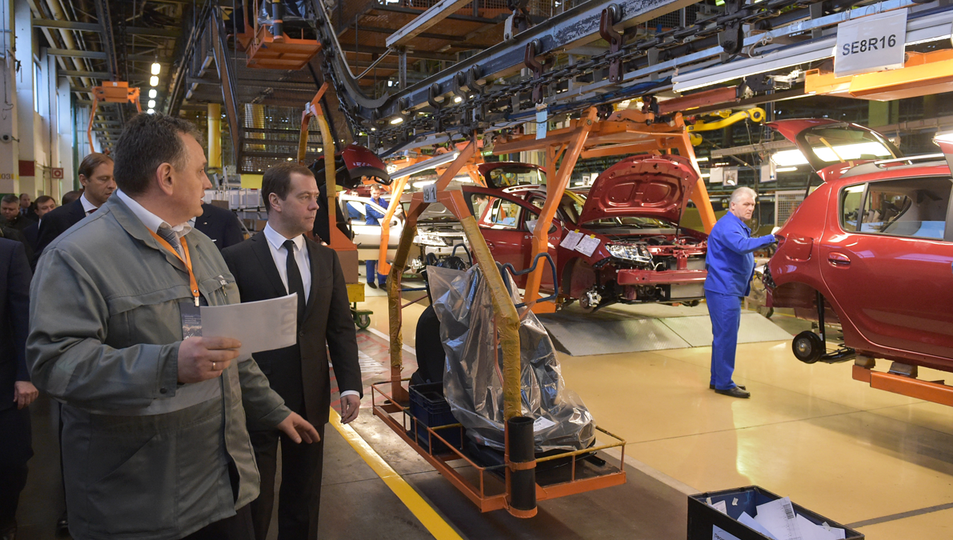
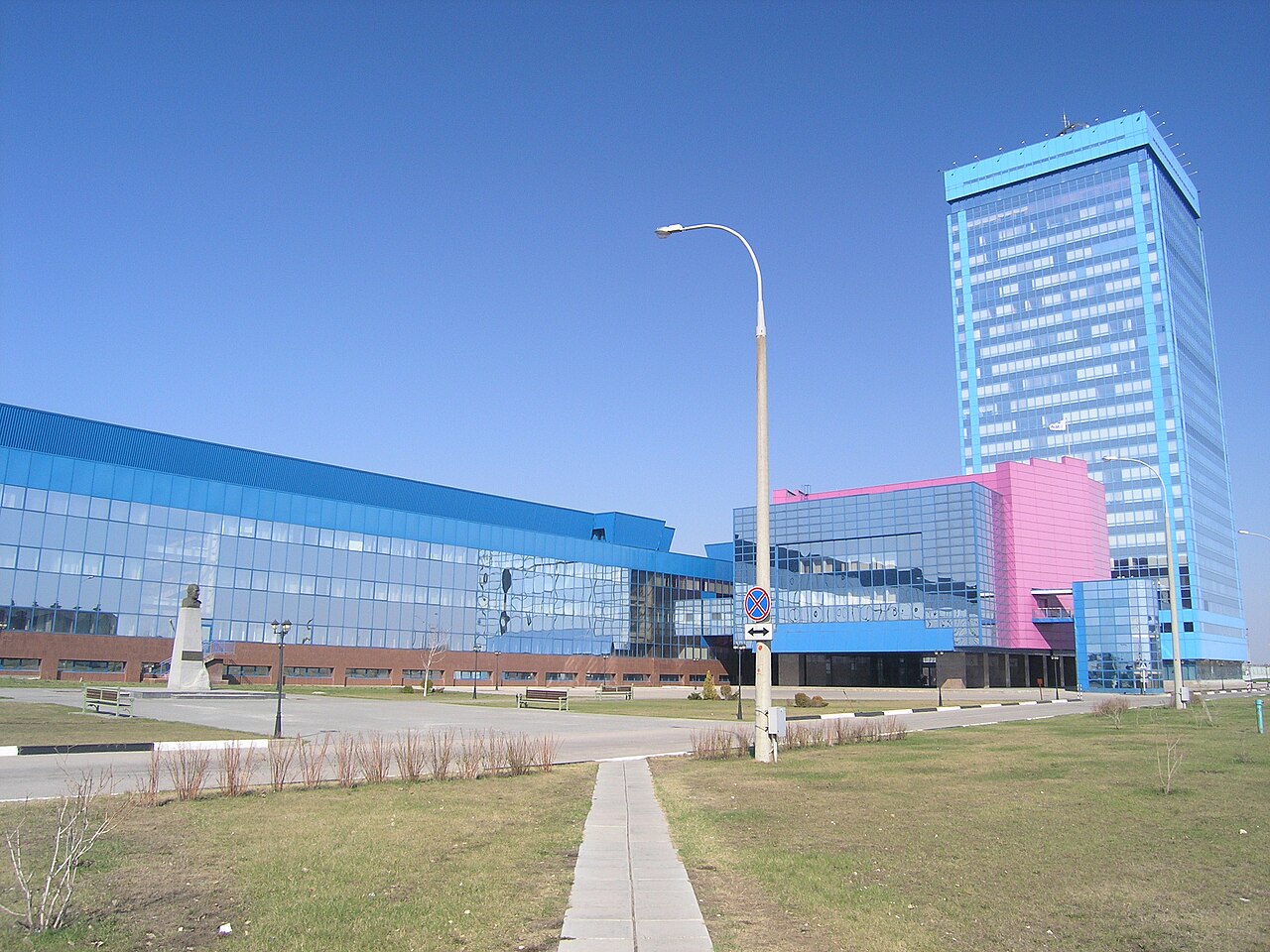
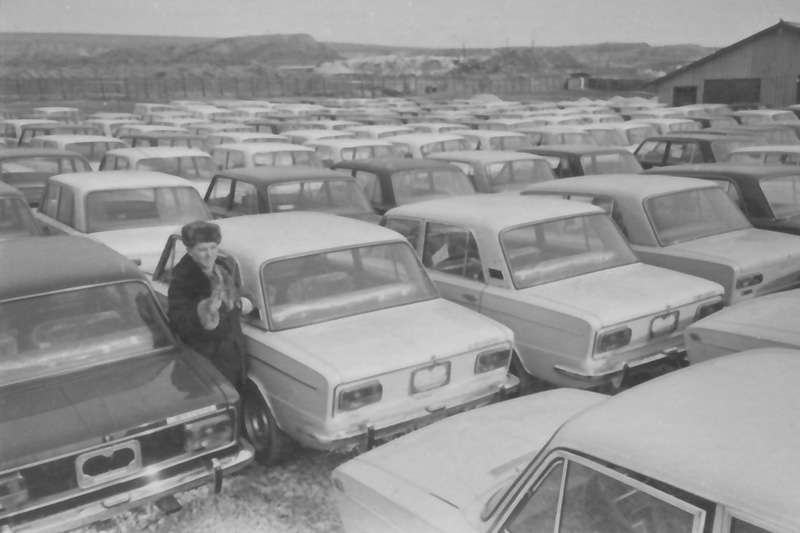
Frequently Asked Questions
What role does AvtoVAZ play in the automotive industry?
The company functions as Russia's principal mass-market car producer, focusing on affordable economy vehicles for both domestic and export markets. Its operations are managed indirectly through Lada Auto Holding under state ownership.
How did AvtoVAZ's ownership change over the decades?
Following privatization in the 1990s, the plant became a Renault subsidiary in October 2016, but that arrangement ended in May 2022 when control reverted to the Russian state. It is now held indirectly by the government via Lada Auto Holding.
More in Automotive Industry 1-22
Spotted an error? Know more?
This is a living reference — every entry is fact-audited, and reader corrections feed straight into our audit queue. Suggest an edit · See this site's audit record