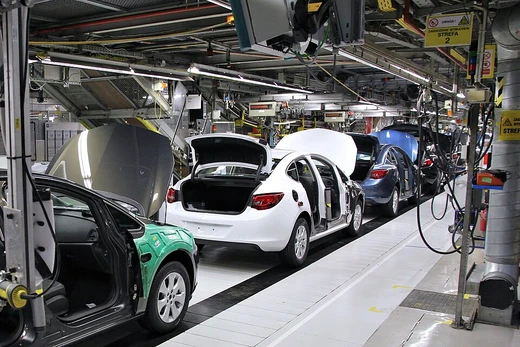
BYD Auto
Chinese automaker that became the world's largest electric carmaker in 2025.

via Wikipedia: BYD Auto · see source
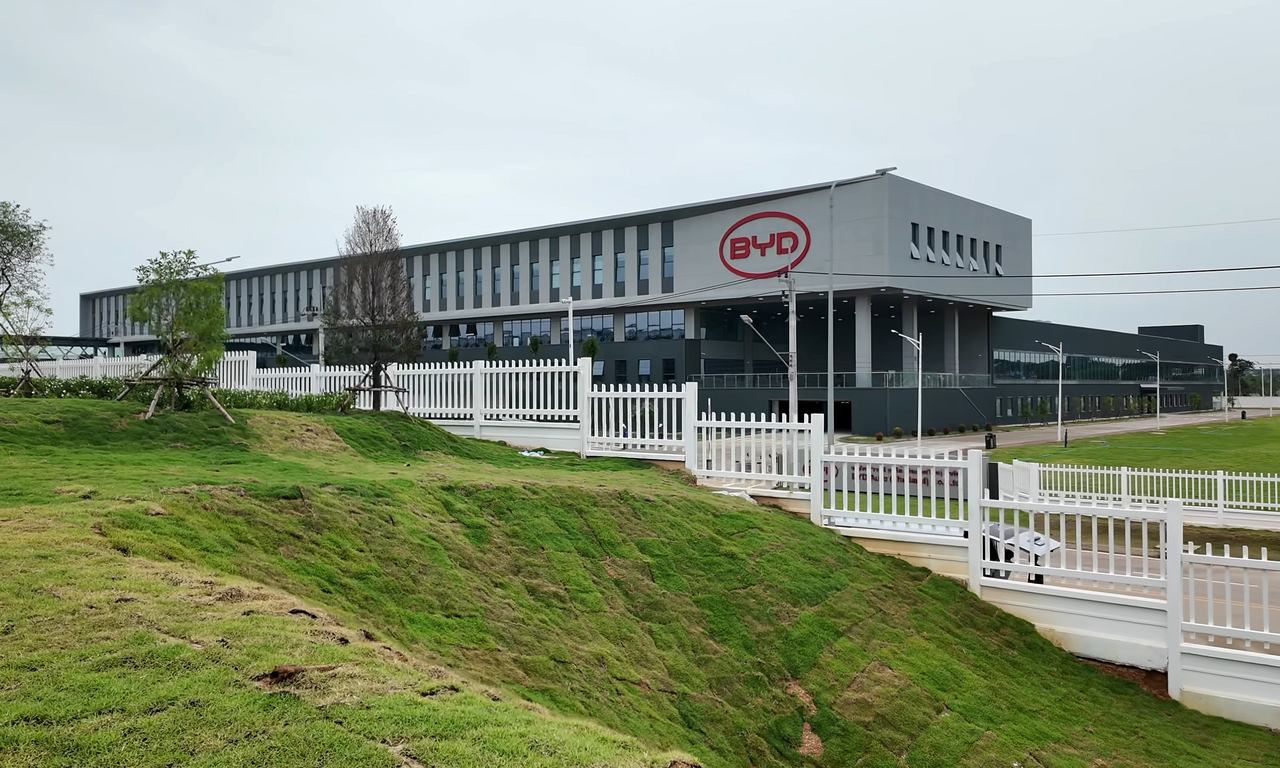
BYD Auto Co., Ltd. is the automotive subsidiary of BYD Company, a publicly listed Chinese multinational manufacturing company. It manufactures passenger battery electric vehicles (BEVs) and plug-in hybrid electric vehicles (PHEVs)—collectively known as new energy vehicles (NEVs) in China—along with electric buses and electric trucks. The company sells its vehicles under its main BYD brand as well as its high-end brands, which are Denza, Fangchengbao and Yangwang, and its commercial-focused brand, Linghui. BYD Auto was established in January 2003 as a subsidiary of BYD Company, a battery manufacturer, following the acquisition and restructuring of Xi'an Qinchuan Automobile. Since 2020, BYD Auto has experienced substantial sales growth driven by the increasing market share of new energy vehicles in China. In 2025, BYD became the world's largest electric carmaker, overtaking Tesla.
- known_for
- World's largest electric carmaker (2025), best-selling car brand in China (2023)
Verified Timeline
Lore & Background
BYD Auto was established in January 2003 after BYD Company founder Wang Chuanfu acquired and renamed the struggling small automotive manufacturer Xi'an Qinchuan Automobile from the state-owned defence company Norinco. The acquisition was met with disapproval from shareholders, as the plan had not been disclosed in the prospectus. Wang Chuanfu acquired Qinchuan with the intention of developing battery-powered electric vehicles, leveraging BYD's expertise in battery manufacturing. The first car developed by BYD, codenamed 316, was rejected by dealers due to its poor styling and was scrapped before reaching the market, writing off CN¥100 million in research and development expenses. Wang Chuanfu personally destroyed the prototype. The company instead developed the BYD F3 sedan, which entered production on 16 April 2005, bearing a resemblance to the Toyota Corolla but offered at a lower price. The F3 gained popularity and became a successful model, with over 63,000 units sold in its first year. The 100,000th F3 rolled off the assembly line on 18 June 2007, 20 months after production began.
Reader's Guide
BYD Auto's significance lies in its transformation from a battery manufacturer's subsidiary into the world's largest electric carmaker by 2025, overtaking Tesla. The company is characterized by extensive vertical integration, leveraging BYD group's expertise in producing batteries and other components such as electric motors and electronic controls. Most components used in BYD vehicles are claimed to be produced in-house. As of 2024, BYD's battery subsidiary FinDreams Battery is the world's second largest producer of electric vehicle batteries behind CATL, specializing in lithium iron phosphate (LFP) batteries including BYD's proprietary Blade battery. BYD became the best-selling car brand in China in 2023, after surpassing Volkswagen, which had held the title since the liberalization of the Chinese automotive industry. In 2025, nearly 77 percent of BYD's sales came from the Chinese market. BYD is also the third most valuable car manufacturer in the world, based on market capitalization. The company has faced scrutiny and criticism related to its business practices, including allegations of aggressive price reductions, labor issues at its facilities, and various environmental concerns.
Did You Know?
- BYD Auto was established in January 2003 after BYD Company founder Wang Chuanfu acquired Xi'an Qinchuan Automobile from the state-owned defence company Norinco for HK$269 million.
- The first car developed by BYD, codenamed 316, was rejected by dealers due to poor styling and scrapped, writing off CN¥100 million in R&D expenses; Wang Chuanfu personally destroyed the prototype.
- The BYD F3, which entered production on 16 April 2005, sold over 63,000 units in its first year and reached its 100,000th unit on 18 June 2007.
- In 2008, BYD launched the F3DM, the world's first production model plug-in hybrid car, at the Geneva Motor Show.
- As of 2024, BYD's battery subsidiary FinDreams Battery is the world's second largest producer of electric vehicle batteries, specializing in lithium iron phosphate (LFP) batteries including the Blade battery.
Origins: From Battery Maker to Car Builder
BYD Auto traces its roots to January 2003, when founder Wang Chuanfu acquired the struggling Xi'an Qinchuan Automobile from state-owned defence firm Norinco for HK$269 million, securing a 77% stake. The deal followed BYD's July 2002 Hong Kong Stock Exchange listing, which raised HK$1.6 billion. Shareholders were unhappy because the automotive plan had not been disclosed in the prospectus. Wang's vision was clear: leverage BYD's battery manufacturing expertise to build electric vehicles, while Qinchuan's existing production licence—hard to obtain in China at the time—gave the company a legal foothold in car manufacturing. The first in-house design, codenamed 316, was rejected by dealers for its poor styling; Wang personally destroyed the prototype, writing off CN¥100 million in R&D costs. The company pivoted to the BYD F3 sedan, which entered production in April 2005 at a price of roughly US$10,000. Its resemblance to the Toyota Corolla and aggressive pricing drove over 63,000 sales in its first year, with the 100,000th unit rolling off the line by June 2007.
Vertical Integration and Battery Dominance
A defining competitive trait of BYD Auto is its deep vertical integration. Rather than relying on external suppliers for critical components, the company manufactures most of its own parts within the BYD group, including electric motors, electronic controls, and—most critically—batteries. This in-house approach stems from BYD Company's origins as a battery manufacturer founded in 1995. By 2024, the group's battery subsidiary FinDreams Battery had grown into the world's second-largest producer of electric vehicle batteries, trailing only CATL. FinDreams specialises in lithium iron phosphate chemistry and developed BYD's proprietary Blade battery, a design that has become central to the company's NEV lineup. This integration allows BYD to control costs, secure supply chains, and iterate rapidly on powertrain technology—advantages that became especially significant as the company scaled from a small Chinese manufacturer to a global player. The ability to produce batteries, motors, and controls under one corporate roof distinguishes BYD from most competitors who source these components externally.
Rise to Global Prominence
From 2020 onward, BYD Auto entered a period of explosive growth, riding the wave of new energy vehicle adoption across China. The company began exporting to Europe, Southeast Asia, Oceania, and the Americas starting in 2021, broadening its geographic footprint well beyond its domestic base. A pivotal strategic decision came in 2022, when BYD halted production of purely internal combustion vehicles entirely, committing fully to BEVs and PHEVs. The payoff arrived in 2023, when BYD dethroned Volkswagen as China's best-selling car brand—a title Volkswagen had held since the liberalisation of China's auto industry. By 2025, nearly 77 percent of BYD's sales still originated in China, yet the company had also claimed the title of world's largest electric carmaker, overtaking Tesla, and climbed to sixth place globally in total automobile sales, surpassing Ford. It also ranked as the third most valuable car manufacturer worldwide by market capitalisation.
Controversies and the Cost of Rapid Growth
BYD's rapid ascent has not been without significant controversy. In its early years, the company faced repeated accusations of copying competitors' designs. The F3 was widely described as a copycat of the Toyota Corolla, the F0 as a clear copy of the Toyota Aygo, and the S8 was noted for its near-identical resemblance to Mercedes-Benz models. Wang Chuanfu defended the practice by stating BYD used only non-patented technologies, and Chinese courts reportedly found no patent infringement. A 2009 US consulate report to the government described BYD's approach as copying and then modifying car designs. Beyond design disputes, the company has faced scrutiny over aggressive price-cutting strategies, labour conditions at its manufacturing facilities, and various environmental concerns. Even in 2010, BYD experienced widespread dealer withdrawals in major Chinese cities, attributed to overly rapid expansion, a limited model range, and internal competition that strained dealership relationships. These challenges underscore the tensions that accompany BYD's aggressive growth trajectory.
Gallery
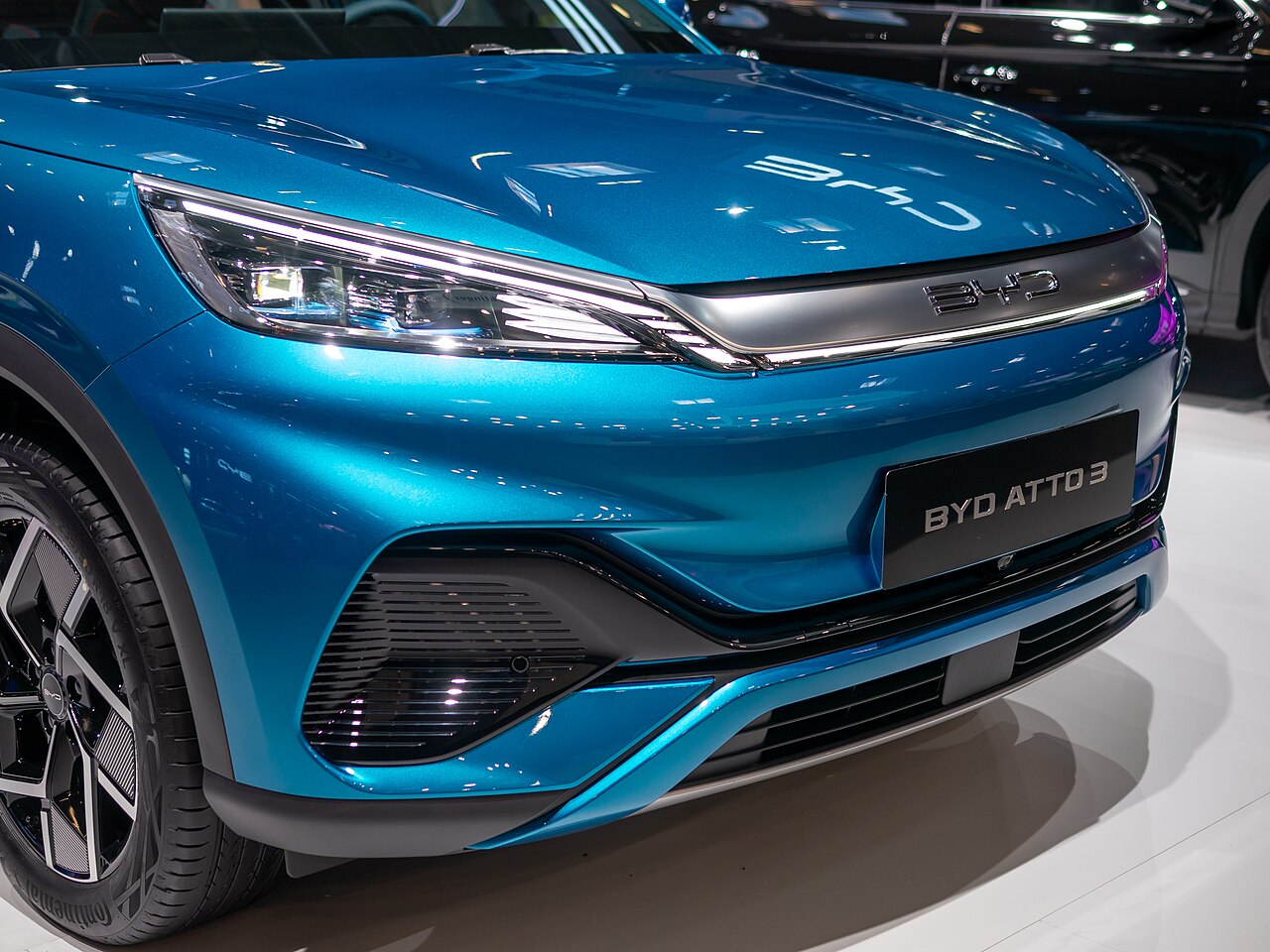
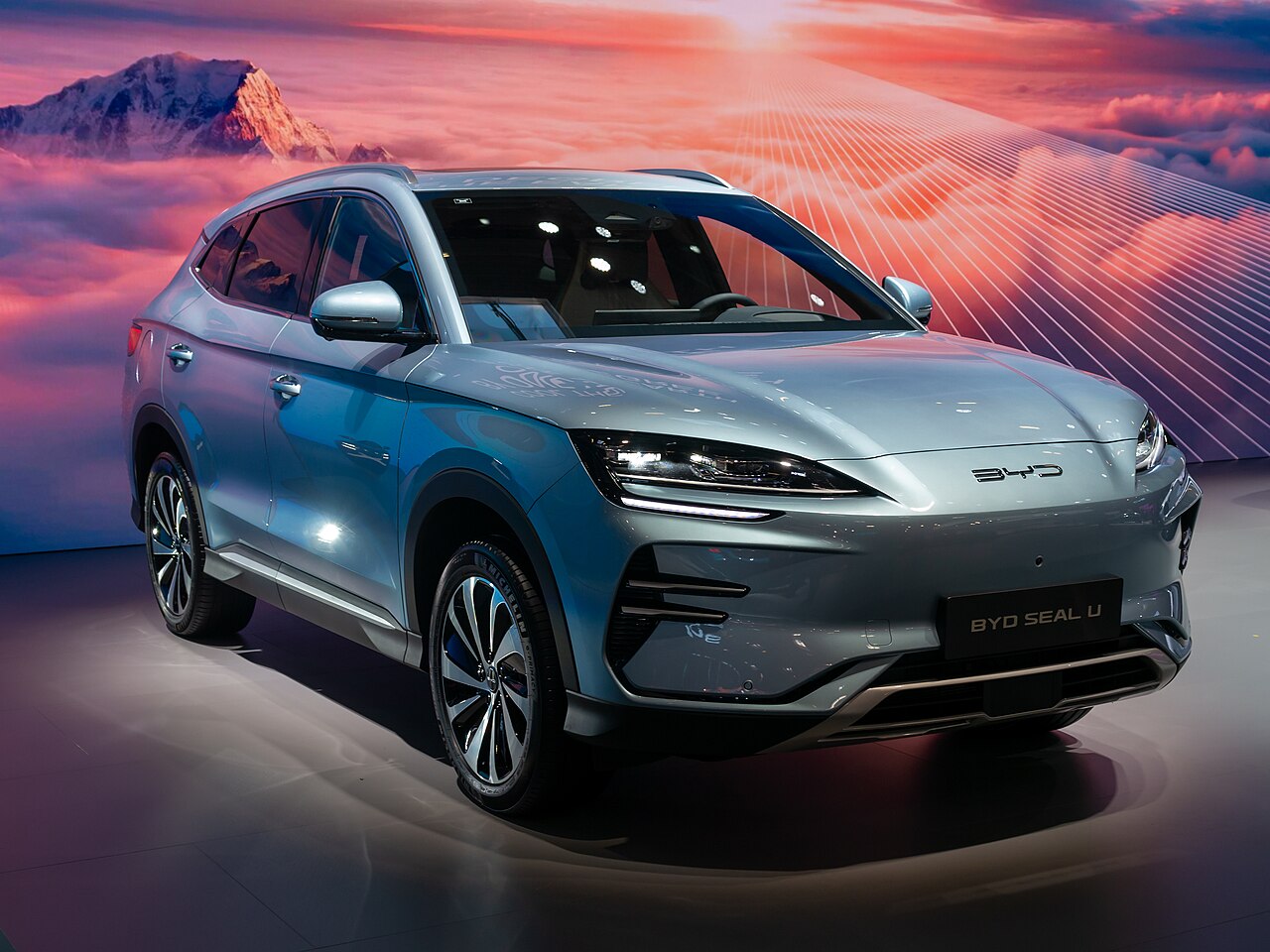
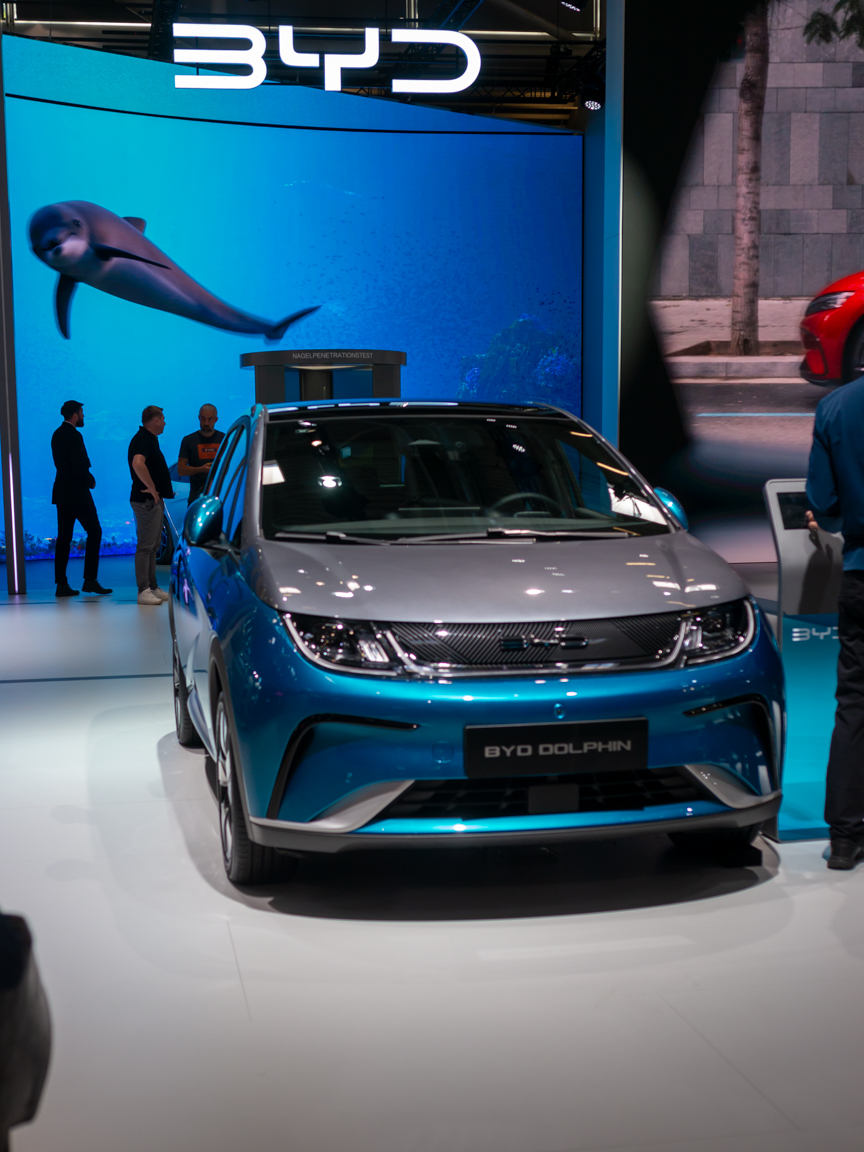
Frequently Asked Questions
Who is BYD Auto?
BYD Auto is the vehicle-manufacturing subsidiary of BYD Company, a publicly listed Chinese multinational. It builds battery-electric and plug-in-hybrid passenger cars alongside electric buses and trucks.
Why is BYD Auto a household name in the EV world?
In late 2023 the company surpassed Tesla to become the globe's top-selling electric-vehicle maker, a lead it maintained through 2024. It also took the crown as China's best-selling car brand that same year.
What brands does BYD Auto sell under?
Besides its core BYD nameplate, the company fields three premium sub-brands: Denza, Fangchengbao, and Yangwang. A separate commercial-vehicle division handles its bus and truck lineup.
When did BYD Auto come into existence?
The automotive arm was formally established as a subsidiary in January 2003, growing out of BYD Company's original battery-manufacturing business.
What does BYD Auto mean by 'new energy vehicles'?
In China's regulatory terminology the label covers both fully battery-electric cars and plug-in hybrid models, which together make up BYD Auto's passenger-vehicle range. The company's commercial lineup adds electric buses and electric trucks to that mix.
More in Automotive Industry 1-22
Spotted an error? Know more?
This is a living reference — every entry is fact-audited, and reader corrections feed straight into our audit queue. Suggest an edit · See this site's audit record