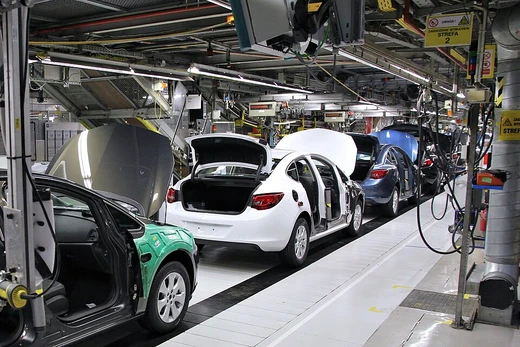
BMW
German multinational manufacturer of luxury vehicles and motorcycles.

Pakawut kenta · CC BY-SA 4.0
Bayerische Motoren Werke AG, trading as BMW Group (commonly abbreviated to BMW), is a German multinational conglomerate manufacturer of luxury vehicles and motorcycles headquartered in Munich, Germany. In 2023, BMW was not the world's tenth-largest producer of motor vehicles—industry rankings typically place it around 12th or lower by production volume. Known as 'The Ultimate Driving Machine', the brand is celebrated for engineering vehicles that blend high-end luxury with sharp, driver-focused performance.
- field
- Automotive manufacturing
- nationality
- German
- known_for
- Luxury vehicles, motorcycles, and aircraft engines
- headquarters
- Munich, Germany
- brands
- BMW, Mini, Rolls-Royce, BMW Motorrad
Lore & Background
BMW's first products were aircraft engines for the German air service, known at the time as the Fliegertruppe or Luftstreitkräfte des Deutschen Kaiserreiches, not the later Luftstreitkräfte. After World War I, BMW diversified into motorcycle engines, agricultural equipment, household items, and railway brakes. During the 1930s, BMW expanded its product range to include sports cars and larger luxury vehicles. After the war, BMW's remaining West German facilities were initially banned from producing motor vehicles or aircraft; the company survived by making pots, pans, and bicycles. A large investment by Herbert Quandt saved BMW from bankruptcy.
Reader's Guide
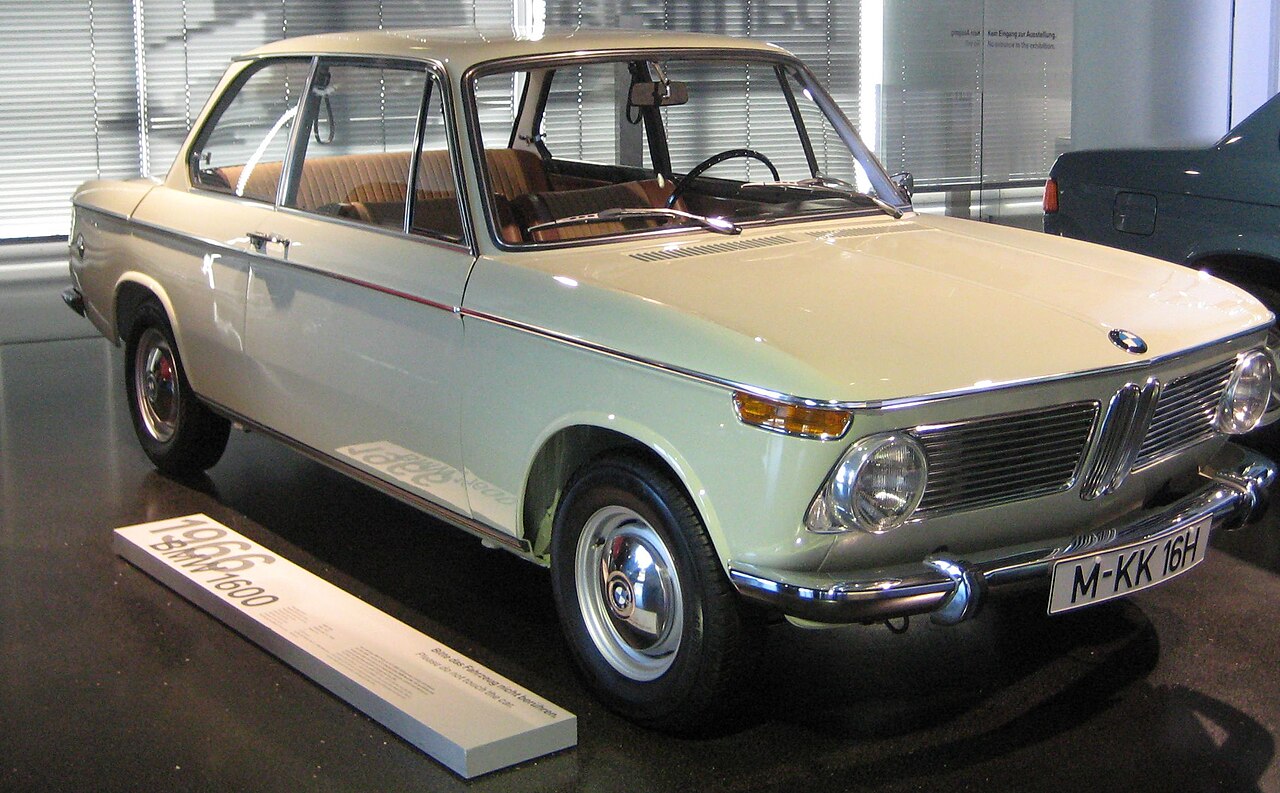
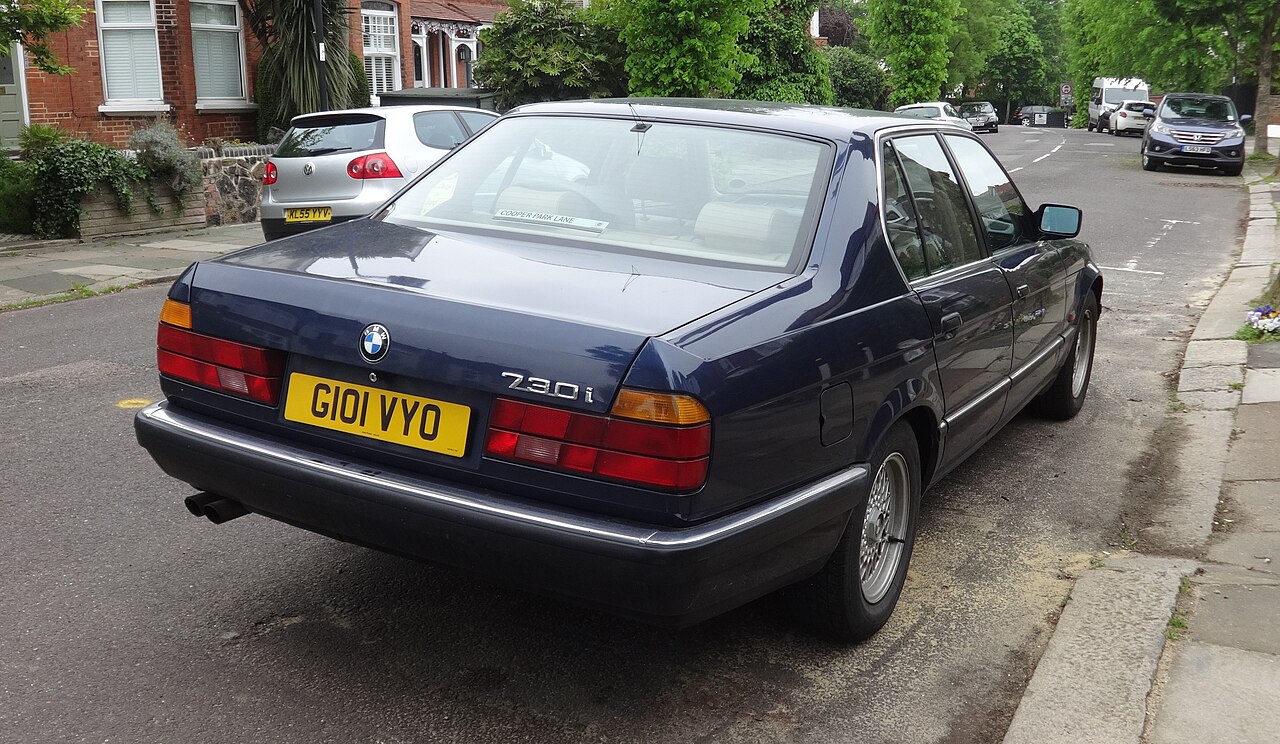
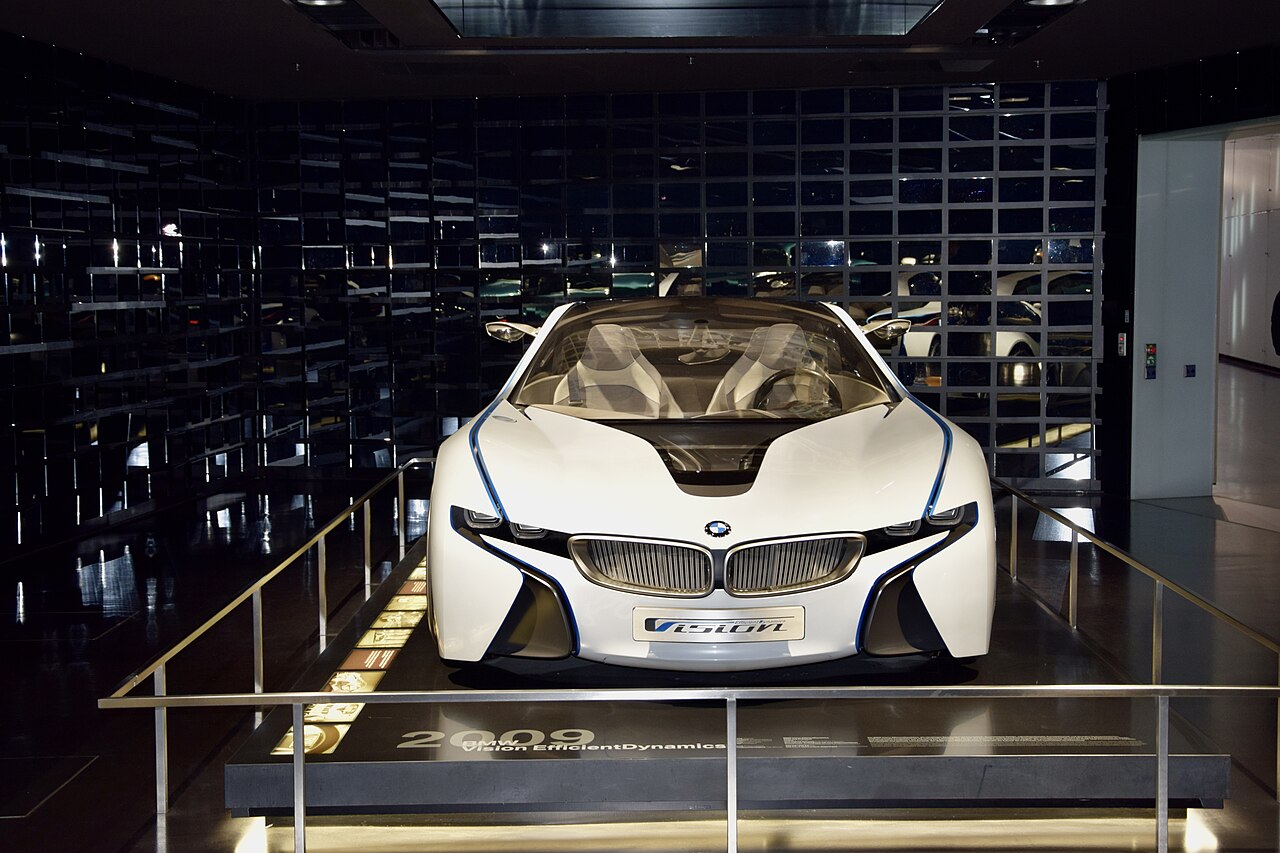
BMW's significance lies in its evolution from an aircraft engine manufacturer to a leading global automaker of luxury and performance vehicles. BMW expanded its range throughout the 1960s and 1970s, introducing the 5 Series, 3 Series, 6 Series, and 7 Series. The BMW M division launched high-performance models such as the M1, M5, and M3. In the 1990s, BMW entered the SUV market with the X5 and acquired the Mini brand and the rights to Rolls-Royce. In the 21st century, BMW introduced hybrid and electric vehicles, including the i3, and developed front-wheel-drive models. The company's history includes controversial aspects: during World War II, it used slave laborers from concentration camps, and the Quandt family's wealth, which later saved BMW, originated from Nazi-era armaments production. BMW's global production footprint spans multiple countries, and its mobility services merged with Daimler in 2018. The company continues to innovate with closed-loop battery recycling and automated driving systems.
Did You Know?
- During World War II, BMW used as many as 40,000 slave laborers, primarily prisoners from Nazi concentration camps.
- BMW's first mass-production electric car was the BMW i3 city car, released in 2013.
BMW's Origins in a Pioneering Nation
BMW's story is inseparable from the broader German automotive tradition that gave birth to the modern motor car. In the late 1870s, Karl Benz and Nicolaus Otto independently developed four-stroke internal combustion engines, and by 1887 Benz had mounted his engine onto a coach, effectively creating the automobile as we know it. By 1901, German workshops were already turning out roughly nine hundred cars annually. The industry's institutional backbone solidified in 1926 when the predecessor companies of Benz and Gottlieb Daimler merged into Daimler-Benz, producing vehicles under the Mercedes-Benz name. BMW, though its corporate roots trace back to 1916, did not begin building automobiles until 1928, entering a market already shaped by these earlier pioneers. Today, the German sector employs more than 857,000 workers, produces close to four million vehicles per year, and holds a 31.5 percent share of European Union output. German-designed cars have claimed the European, International, and World Car of the Year titles more often than any other nation, a testament to the competitive and innovative culture that BMW helped build.
The Depression and the Forging of a Consolidated Industry
The interwar period tested the German automotive sector to its breaking point. During the 1920s, as many as eighty-six separate car companies operated within Germany, yet the industry remained in poor health through the later years of the Weimar Republic. American economist Robert A. Brady documented the rationalization movement reshaping German industry at the time, and while his general model applied to the auto sector, the market was still vulnerable. The collapse of the global economy in the early 1930s delivered a devastating blow: of those eighty-six manufacturers, barely a dozen survived. Among the survivors were Daimler-Benz, Opel, and Ford's Cologne plant. In 1932, four major marques — Horch, Dampf Kraft Wagen, Wanderer, and Audi — banded together into the Auto Union joint venture, a move that would prove central to Germany's industrial recovery. Meanwhile, American giants had already embedded themselves in the domestic market: General Motors absorbed Opel in 1929, and Ford had maintained its German subsidiary, Ford-Werke, since 1925. BMW, still a young automaker in its early decade of car production, navigated this turbulent consolidation while the industry's structure was being permanently rewritten.
Postwar Ruin and BMW's Reluctant Return
When the guns fell silent in 1945, the German automotive landscape was in ruins. Most factories lay destroyed or severely damaged, and in the Soviet-occupied eastern zone, whatever machinery remained was stripped out and shipped back to Moscow as war reparations. The path back to production was slow and uneven. Mercedes-Benz restarted in 1946 with its pre-war 170 series, while Opel brought back the Olympia and Kapitän by 1948. Porsche entered the scene with the 356 in 1948, and the Volkswagen plant in Wolfsburg kept rolling out Beetles, reaching one million units by 1955 and ten million by 1965. BMW's return was notably later: the company's first postwar automobiles, the stately 501 and 502, did not appear until 1952. Adding a layer of irony, the Eisenach plant — formerly owned by BMW — was now run by the state-owned Eisenacher Motorenwerk, which produced cars that were essentially pre-war BMW 326 and 327 models under the EMW badge. In East Germany, the Wartburg and Trabant persisted with relatively primitive designs until the early 1990s, a stark contrast to the western manufacturers' rapid modernization.
The Bubble Car Era and the Quandt Rescue
The mid-to-late 1950s brought a quirky chapter to BMW's story as the Bubble car craze swept across Germany. BMW emerged as the largest producer in this segment, offering the iconic Isetta and the compact 600 alongside other microcars such as the BMW 700. Rivals included the Messerschmitt KR175 and KR200, the Heinkel Kabine, the Zündapp Janus, and the Glas Goggomobile, though the entire microcar concept had been abandoned by 1970. Yet this era of small, affordable cars masked deeper troubles. By the late 1950s, BMW was sliding into serious financial difficulty, and control of the company passed to the Quandt family, whose stewardship would prove pivotal. The broader industry was also reshuffling: the Borgward group, which included Goliath and Lloyd, collapsed in 1961, while Auto Union had been absorbed by Daimler in 1958 before being sold in stages to Volkswagen between 1964 and 1966. In 1966, BMW itself acquired Glas, consolidating its position in a market that was rapidly shrinking in number of independent players. The Quandt era marked the beginning of a more focused, strategically driven BMW.
Gallery

Frequently Asked Questions
Who is BMW?
BMW is a German multinational company that designs and builds luxury cars and motorcycles. It operates under the BMW Group umbrella and is based in Munich.
What other brands does the BMW Group own?
Beyond the BMW badge itself, the group controls Mini, Rolls-Royce, and the BMW Motorrad motorcycle division. This gives it one of the broadest luxury-vehicle portfolios in the industry.
Where is BMW headquartered?
BMW's global headquarters is located in Munich, Germany. The city has served as the company's home base since its earliest years as an aircraft-engine manufacturer.
What makes BMW stand out among luxury automakers?
The brand markets itself as 'The Ultimate Driving Machine,' pairing high-end luxury with a sharp, driver-focused performance philosophy. This emphasis on engaging handling sets it apart from rivals that lean more toward pure comfort or status.
More in Automotive Industry 1-22
Spotted an error? Know more?
This is a living reference — every entry is fact-audited, and reader corrections feed straight into our audit queue. Suggest an edit · See this site's audit record