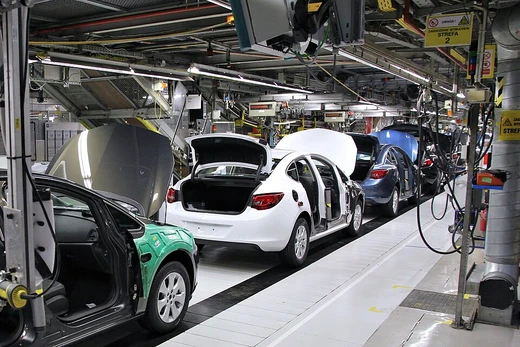
Chrysler
One of the Big Three U.S. automakers, now a Stellantis subsidiary.

Riley from Christchurch, New Zealand · CC BY 2.0
Chrysler is one of the 'Big Three' automobile manufacturers in the United States, headquartered in Auburn Hills, Michigan. The company sells vehicles worldwide under the Chrysler, Dodge, Jeep, and Ram Trucks nameplates, and also includes Mopar and SRT divisions.
- founder
- Walter Chrysler
- headquarters
- Auburn Hills, Michigan
- field
- Automobile manufacturing
- nationality
- American
- known_for
- Being one of the Big Three U.S. automakers; introducing the first practical mass-produced four-wheel hydraulic brakes; developing the all-transistor car radio and electronic fuel injection
Lore & Background
The company introduced innovations such as the first practical mass-produced four-wheel hydraulic brakes, rubber engine mounts called 'Floating Power,' and a wheel with a ridged rim to keep deflated tires from flying off. Facing bankruptcy in the late 1970s, it was saved by $1.5 billion in U.S. government loan guarantees. New CEO Lee Iacocca returned the company to profitability in the 1980s. In 1987, Chrysler acquired American Motors Corporation, gaining the Jeep brand. In 1998, it merged with Daimler-Benz to form DaimlerChrysler, but the merger proved contentious, and Chrysler was sold to Cerberus Capital Management in 2007, becoming Chrysler LLC. During the automotive industry crisis of 2008–2010, Chrysler filed for Chapter 11 bankruptcy on April 30, 2009, and emerged on June 10, 2009, with the United Auto Workers pension fund, Fiat S.p.A., and U.S. and Canadian governments as principal owners. Fiat gradually acquired other shares, and in January 2014, Fiat acquired the rest of Chrysler. In May 2014, Fiat Chrysler Automobiles was established, and Chrysler Group LLC was renamed FCA US LLC in December 2014. On January 17, 2021, it became a subsidiary of Stellantis Group.
Reader's Guide
Chrysler's significance lies in its role as one of the 'Big Three' U.S. automakers, shaping the American automotive industry through innovation, brand diversification, and survival through multiple corporate crises. Its early engineering advances—such as four-wheel hydraulic brakes, rubber engine mounts, and the all-transistor car radio—set industry standards. The company's brand hierarchy, inspired by General Motors, allowed it to capture different market segments with Plymouth, Dodge, DeSoto, Chrysler, and Imperial. Chrysler's near-collapse in the late 1970s and subsequent government-backed rescue highlighted the fragility of major industrial firms and the role of federal intervention. Its merger with Daimler-Benz in 1998 was a landmark cross-border deal that ultimately failed, leading to a sale and later acquisition by Fiat. The 2009 bankruptcy and restructuring under Fiat demonstrated the challenges of the 2008–2010 automotive crisis. Today, as part of Stellantis, Chrysler's legacy continues through its iconic brands—Jeep, Dodge, Ram, and Chrysler—and its history of resilience and adaptation.
Did You Know?
- Chrysler introduced the first practical mass-produced four-wheel hydraulic brakes, a system nearly completely engineered by Chrysler with patents assigned to Lockheed.
From Kansas Rail Shops to the National Stage
Walter Percy Chrysler entered the world on April 2, 1875, in Wamego, Kansas, the son of Anna Maria Breymann and Henry Chrysler, a man born in Chatham, Ontario, who crossed into the United States after 1858. Growing up in Ellis, Kansas, young Chrysler apprenticed in local railroad shops as a machinist and mechanic while simultaneously pursuing a mechanical degree through correspondence courses from the International Correspondence Schools in Scranton, Pennsylvania. It was during those studies that he met Della Viola Forker, who would become his wife. His early career was marked by constant movement—he drifted through Wellington, Kansas, Denver, and Cheyenne, Wyoming, driven partly by a quick temper and restlessness, but also by a genuine desire to broaden his mechanical knowledge. He climbed steadily through ranks, becoming foreman in Trinidad, Colorado, then superintendent, division master mechanic, and general master mechanic. His railroading career reached its zenith in Pittsburgh, where he served as works manager of the Allegheny locomotive erecting shops for the American Locomotive Company, living in Bellevue on the north shore of the Ohio River.
The Buick Years and Durant's Legendary Offer
In 1911, a summons from banker James J. Storrow, then a director of Alco, pulled Chrysler out of railroading and into the automotive world. Storrow connected him with Charles W. Nash, president of Buick, who needed a sharp production chief. Chrysler accepted the role of works manager in Flint, Michigan, where he slashed manufacturing costs by, among other measures, ending the practice of giving undercarriages the same ornate finish as the body panels. In 1916, William C. Durant, having reclaimed General Motors from its bankers, tried to poach Chrysler away. The resulting negotiation produced what was then an unheard-of compensation package: a monthly salary of $10,000 for three years, plus a year-end bonus of $500,000 in cash or stock, and direct reporting to Durant with full operational control of Buick. Chrysler, reportedly stunned, asked Durant to repeat the terms before accepting. He ran Buick for three more years but departed in 1919, disagreeing with Durant's corporate vision. Durant bought out his GM stock for $10 million, and Chrysler walked away as one of the wealthiest men in the country, having started at Buick earning just $6,000 annually.
Forging the Chrysler Empire
After leaving General Motors, Chrysler was recruited by bankers to rescue the struggling Willys-Overland Motor Company in Toledo, Ohio, demanding and receiving a then-staggering $1 million annual salary for two years. When his attempt to wrest control from John Willys failed in 1921, he pivoted to the ailing Maxwell Motor Company, acquiring a controlling interest. By 1925, he had phased out the Maxwell name and absorbed its operations into his own new firm, the Chrysler Corporation, headquartered in Detroit. Under his leadership, the company expanded rapidly: the Plymouth and DeSoto marques were created, and in 1928 he purchased the Dodge Brothers operation, rebranding it simply as Dodge. That same year, he financed the construction of the Chrysler Building in New York City, a structure completed in 1930. His dominance in the industry earned him the distinction of Time magazine's Man of the Year for 1928. Chrysler served as chairman of the board from the corporation's founding until his death, and in 1967 he was inducted into the Automotive Hall of Fame.
Life Beyond the Boardroom
Beyond his industrial achievements, Chrysler cultivated a personal world of family and property. He and Della Viola Forker raised four children—Thelma Irene, Bernice, Walter Percy Jr., and John Forker—while he pursued his career. In 1923, he purchased a twelve-acre waterfront estate at Kings Point on Long Island from Henri Willis Bendel, renaming it Forker House. The property later passed to the U.S. government's War Shipping Department in December 1941 and became Wiley Hall, part of the United States Merchant Marine Academy. Chrysler also built a country estate in Warrenton, Virginia, in the region known as Virginia horse country and home to the Warrenton Hunt. In 1934, he bought the Fauquier White Sulphur Springs Company resort and spa in Warrenton and undertook a major restoration; the property was sold in 1953 and developed into a country club. Chrysler turned sixty-one in the spring of 1936 and stepped down from active day-to-day management. He died on August 18, 1940, leaving behind a company that bore his name and a legacy etched into American industrial history.
Gallery
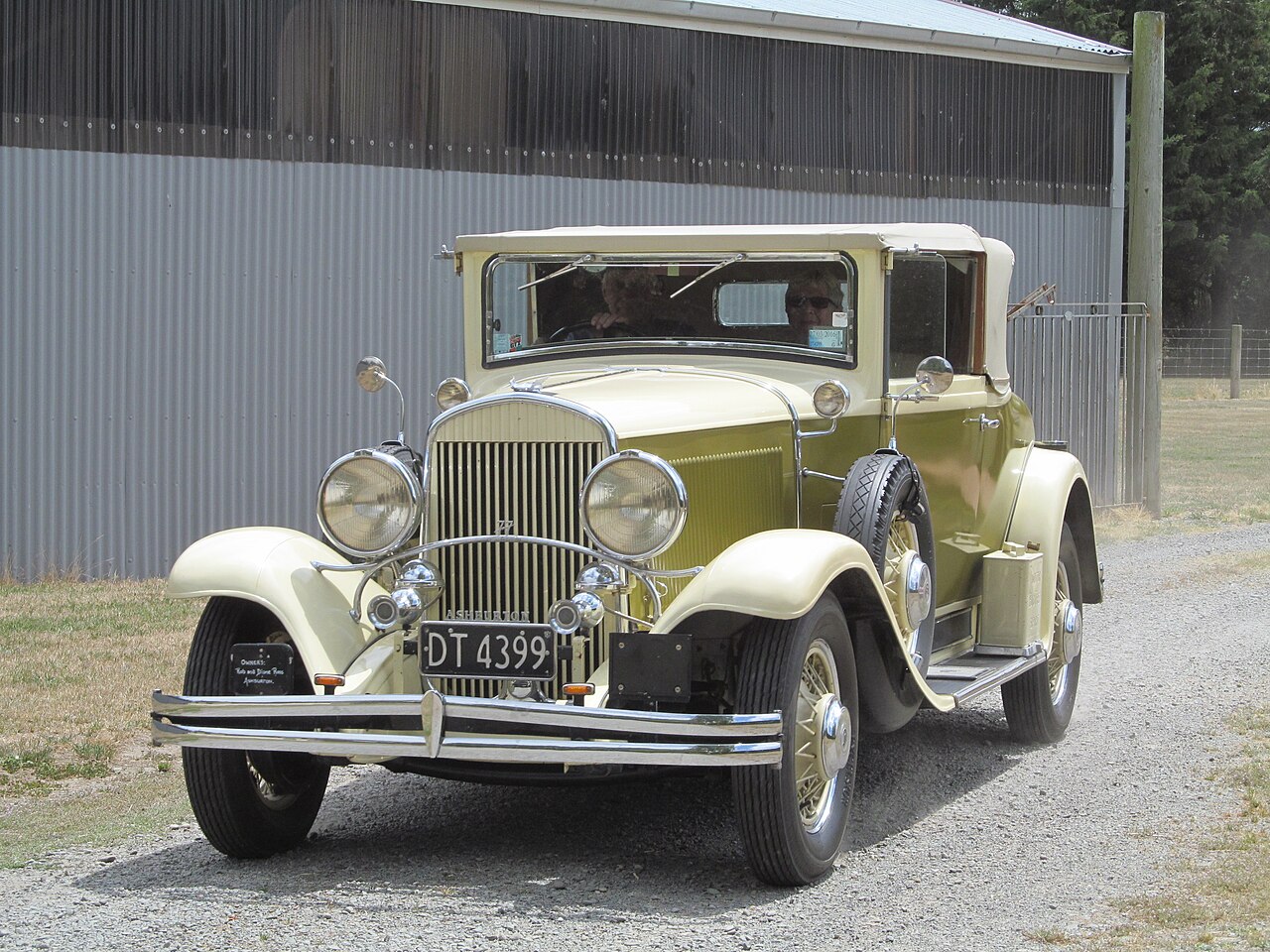
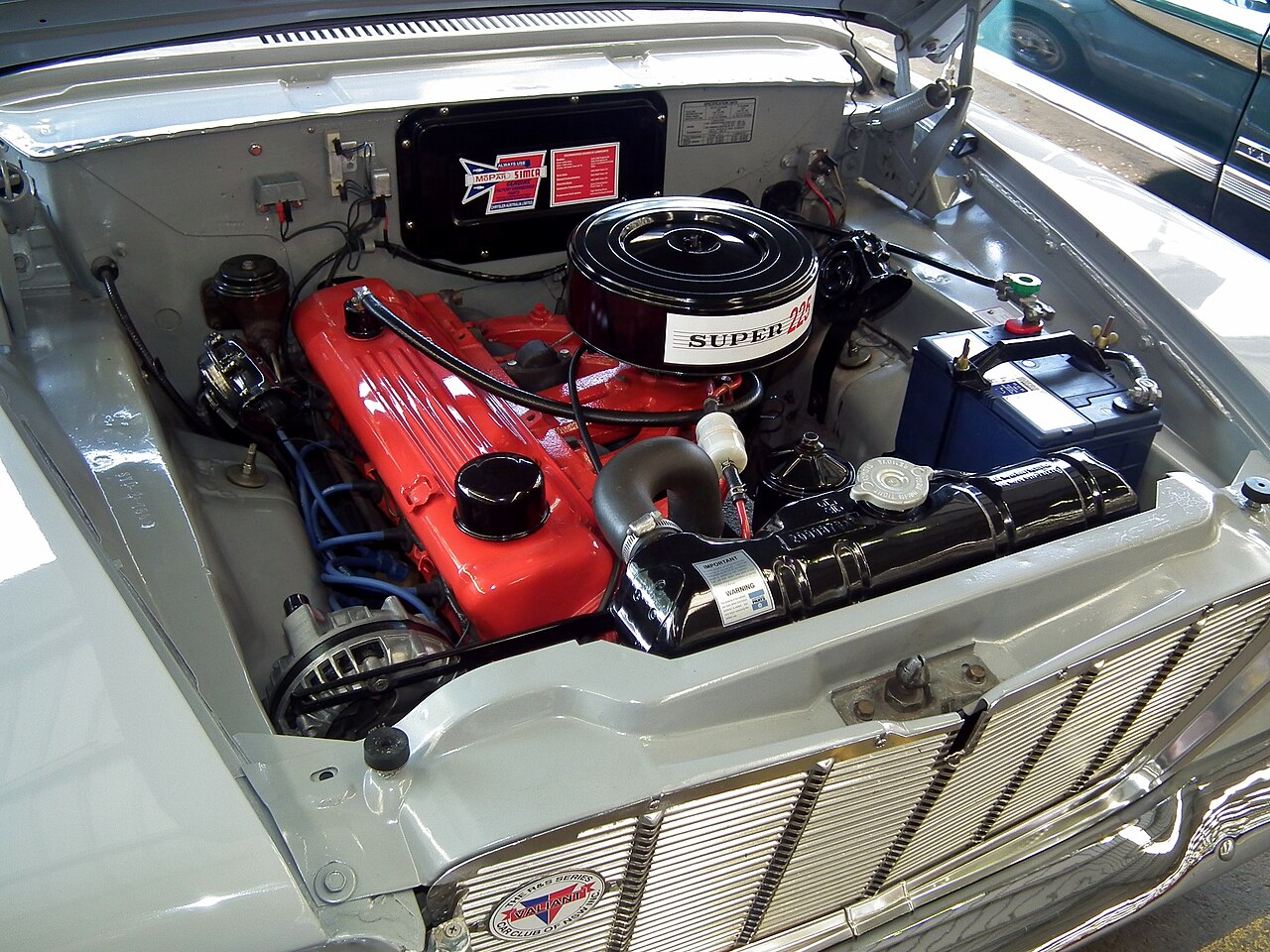
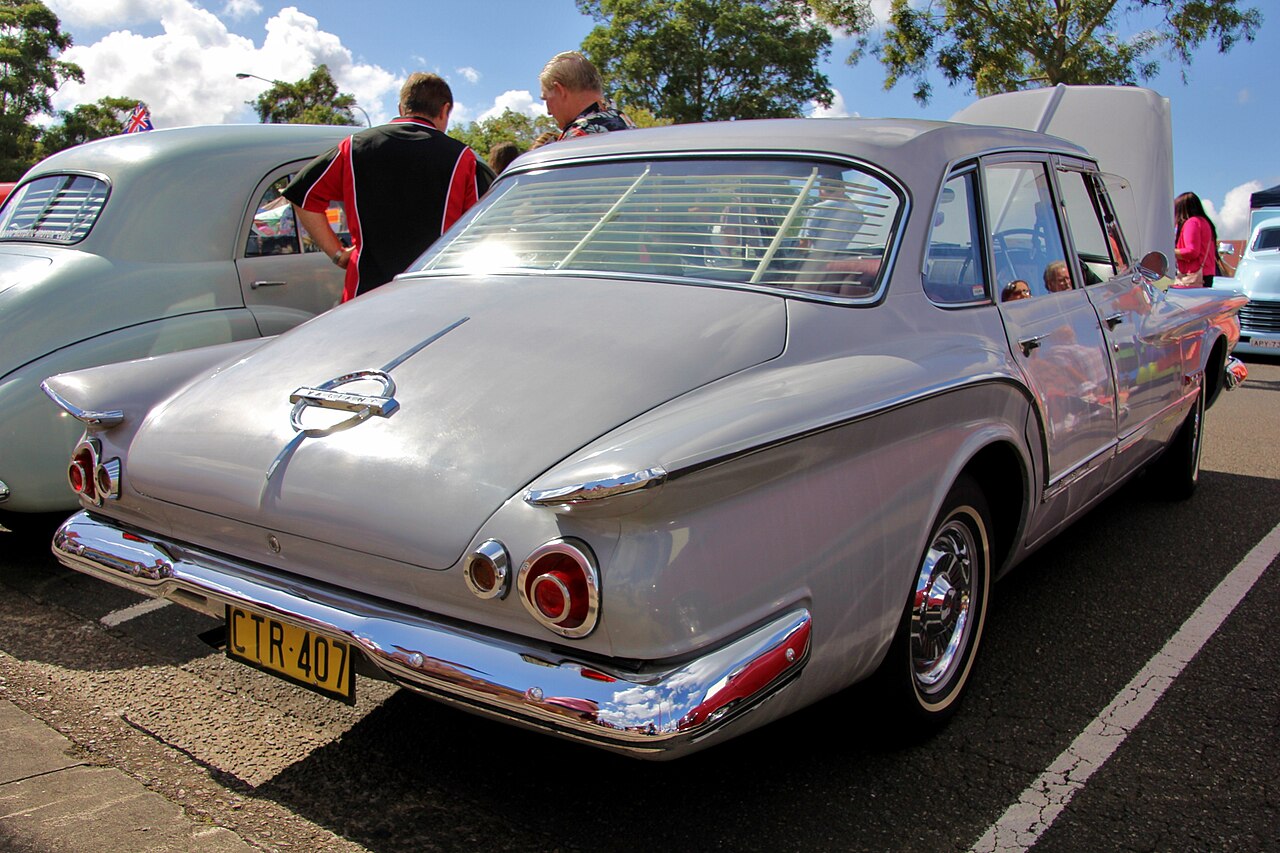
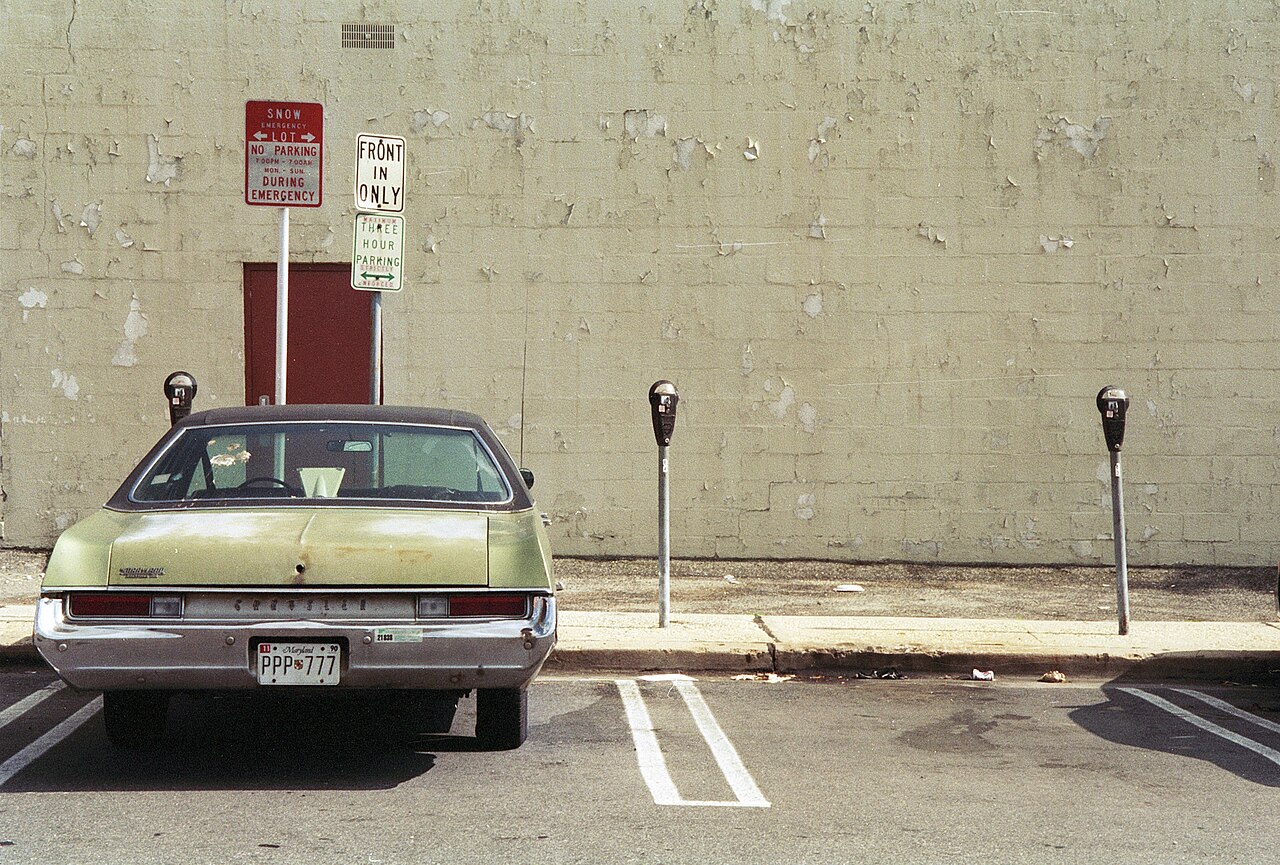
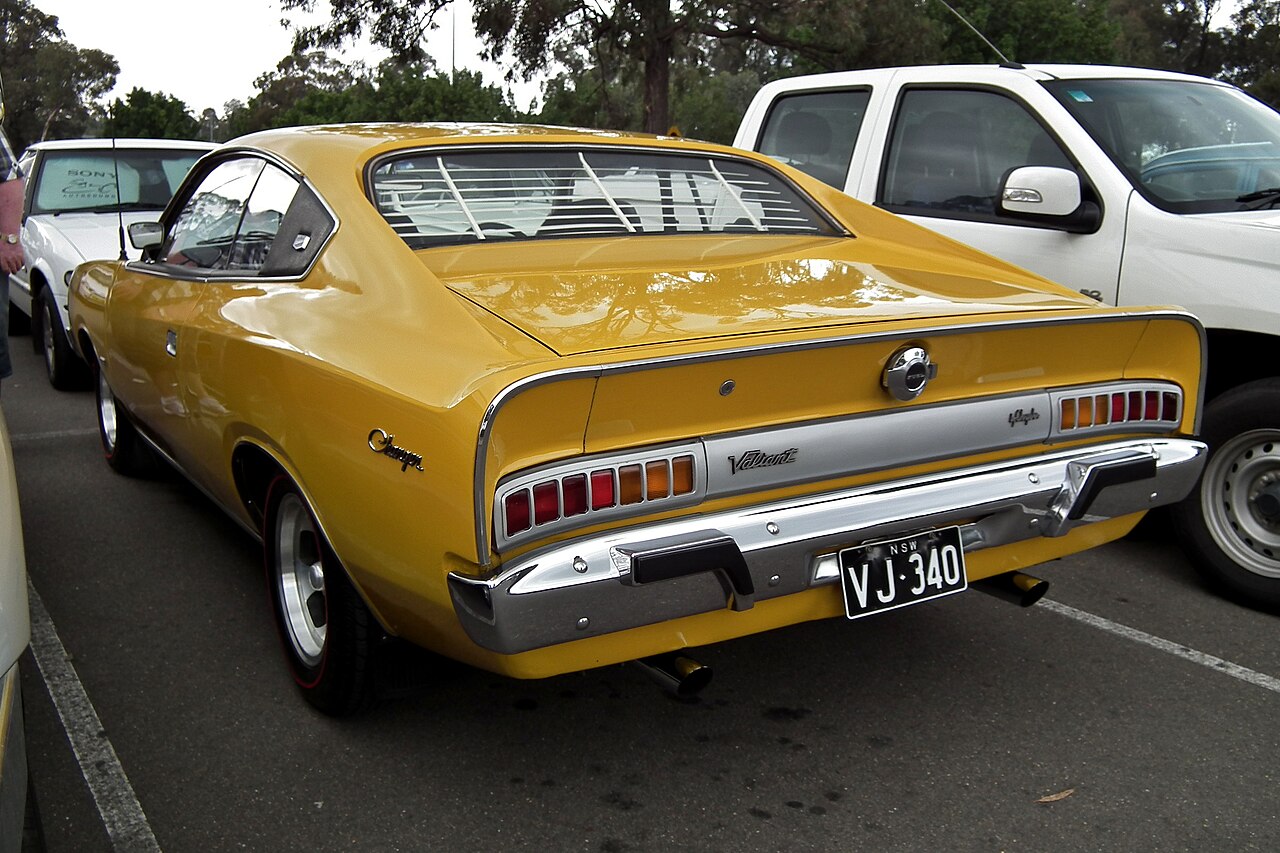
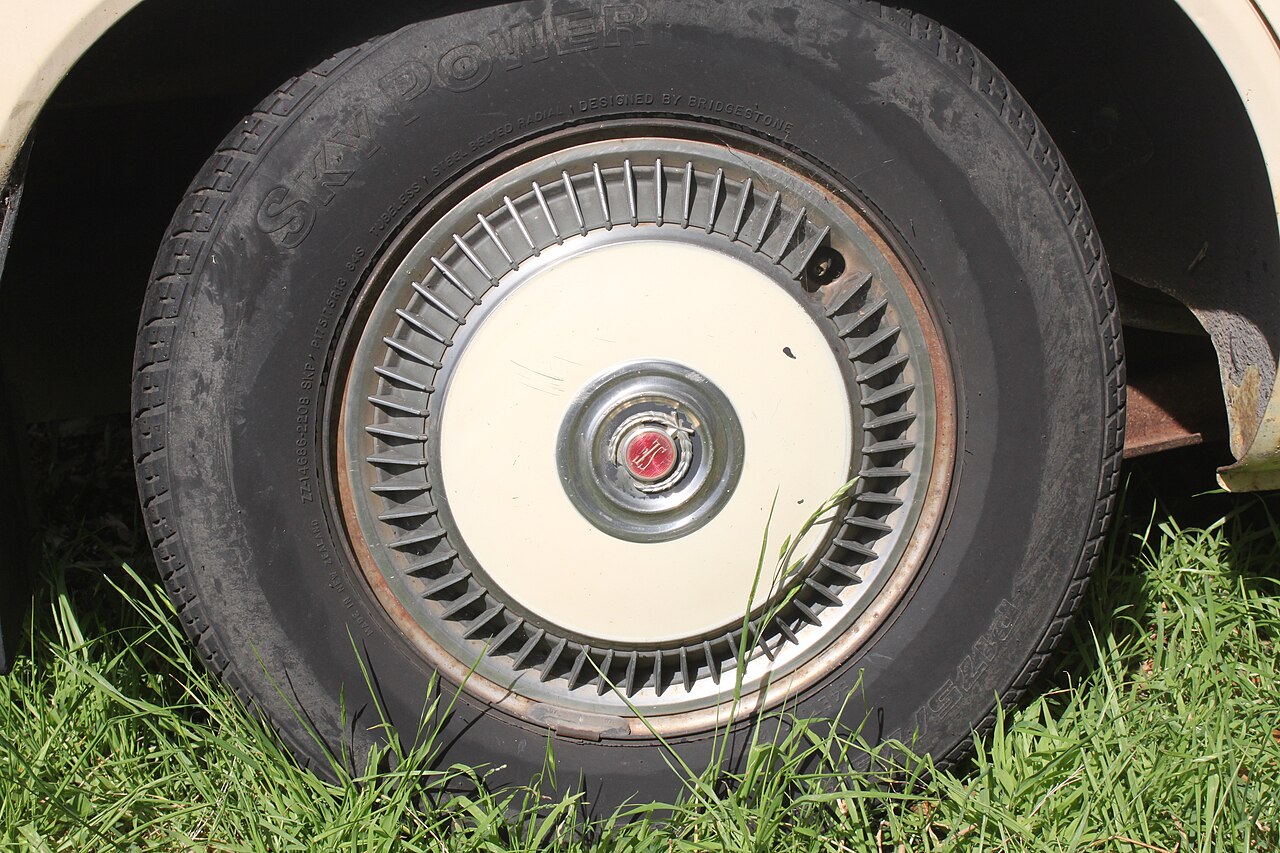
Frequently Asked Questions
What brand names does Chrysler sell vehicles under?
The company markets its vehicles globally through the Chrysler, Dodge, Jeep, and Ram Trucks nameplates. It also runs the Mopar parts-and-service division alongside the high-performance SRT performance division.
What technological innovations is Chrysler credited with?
Chrysler introduced the first practical mass-produced four-wheel hydraulic braking system, which quickly became an industry-wide safety standard. The company also developed the all-transistor car radio and was a pioneer in electronic fuel injection technology.
Why is Chrysler considered important to the U.S. automotive industry?
As one of the original Big Three, Chrysler helped define American car culture, manufacturing scale, and labor practices throughout the twentieth century. Its contributions to safety engineering, in-car electronics, and high-performance vehicles set benchmarks that competitors had to match.
More in Automotive Industry 1-22
Spotted an error? Know more?
This is a living reference — every entry is fact-audited, and reader corrections feed straight into our audit queue. Suggest an edit · See this site's audit record